
Phishing attacks are increasing as cybercriminals use more sophisticated methods to deceive individuals and organisations. This type of attack involves various techniques, from traditional email phishing to newer strategies like “quishing.”
Phishing often acts as a gateway for more severe cyber threats, such as malware, ransomware, and credential theft, with stolen information frequently sold on the dark web or used for targeted attacks.
While email remains the most common phishing method, attackers also use phone calls and text messages. Below are the top five types of phishing attacks and tips on how to safeguard your organisation against them.
1. Email Phishing
Email phishing is one of the oldest and most widespread types of phishing attacks. Cybercriminals disguise themselves as reputable senders, often mimicking legitimate emails from known businesses, and use malicious links, documents, or images to trick users into sharing personal information or downloading harmful software.
How to Identify a Phishing Email:
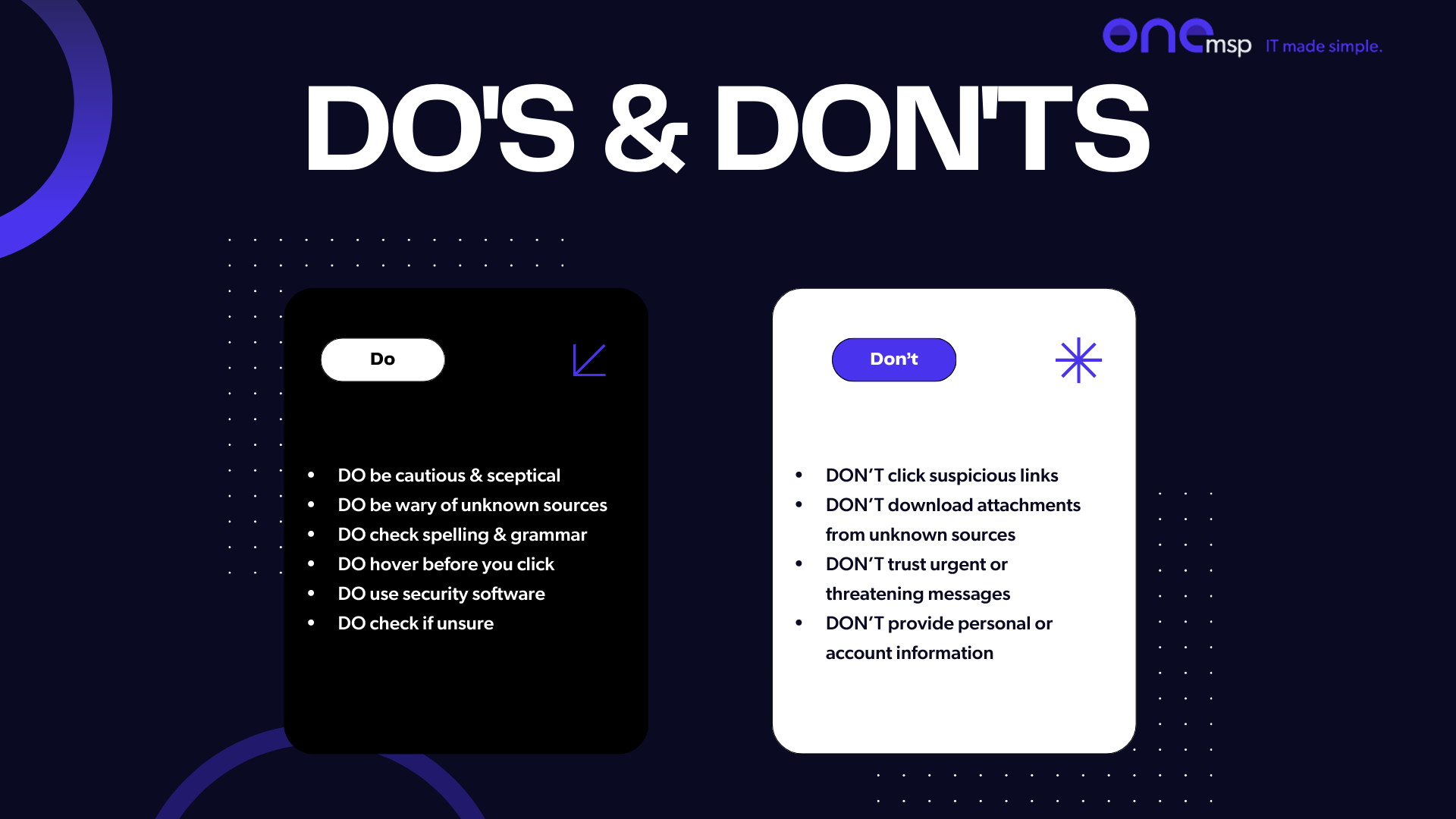
Watch for spelling and grammatical errors: Many phishing emails have noticeable spelling or grammar mistakes, though some attackers are improving their messages by using AI tools.
Check the sender’s email address: Phishing emails often come from addresses that closely resemble legitimate ones, with minor misspellings or substitutions. Always verify that the domain matches the official domain of the organisation.
Inspect, don’t click suspicious links or attachments: Hover over links to preview the URL without clicking, ensuring it matches the legitimate website. Avoid opening attachments unless you’re sure of the sender’s identity.
Beware of urgency and threats: Phishing emails frequently use urgent language or threats to pressure immediate action. Be cautious of emails that demand quick responses or threaten negative consequences.
If an email seems suspicious and you can’t confirm its authenticity, it’s best to delete it.
2. Spear Phishing
Spear phishing targets specific individuals or organisations with personalised emails. Unlike broad phishing campaigns, spear phishing involves detailed research about the target to create convincing messages, often aiming to steal sensitive information or infect devices with malware.
Business Email Compromise (BEC): Also known as CEO fraud, BEC is a type of spear phishing where attackers impersonate high-ranking officials to trick employees into transferring money or revealing sensitive information.
3. Vishing (Voice Phishing)
Vishing involves phone or VoIP scams where attackers pose as legitimate entities to steal personal data like credit card numbers or passwords. With advancements in AI and voice cloning technologies, it’s easier for scammers to replicate a person’s voice, increasing the threat level.
4. Smishing (SMS Phishing)
Smishing uses text messages to trick individuals into revealing personal information. These messages often have urgent content, such as warnings of compromised accounts or package delivery notifications, urging recipients to click on links or share sensitive data.
Be wary of unsolicited texts requesting personal or financial information, and avoid clicking links from unknown sources. Responding to suspicious texts can mark your phone number as active, making you a target for future attacks.
5. Quishing (QR Code Phishing)
Quishing involves using QR codes to lure users into scanning malicious codes, often embedded in emails. These codes direct victims to fake websites that steal login credentials, financial information, or distribute malware. As QR codes become more common in everyday use, users may trust them without scrutiny, making them susceptible to these attacks.
Risks of Scanning Malicious QR Codes:
Phishing Websites: Scanning a malicious QR code can redirect you to a fake website that appears legitimate, prompting you to enter sensitive information like payment details, which attackers can then exploit.
Malware Infection: Scanning unknown QR codes can lead to unintentional malware downloads, compromising your device’s security and privacy.
To stay safe, always preview the link associated with a QR code before clicking. Most devices provide a URL preview when you scan a QR code. Exercise caution, especially if the sender’s identity is unclear.
Combating Phishing: Protecting Your Business:
Preventing phishing attacks requires a proactive approach to security. Here are some key steps to help protect your organisation:
Practise Good Cyber Hygiene: Educate employees on cybersecurity best practises. Awareness training can help staff recognise phishing attempts and respond appropriately, reducing the likelihood of successful attacks.
Implement an Email Security Solution: Get advanced protection against phishing by using threat intelligence and multi-layered detection engines to safeguard against spear-phishing, malware, and spam.
Use Endpoint Detection and Response (EDR): EDR solutions detect and mitigate phishing threats by monitoring for unusual or malicious behaviour on endpoints. They can scan files and URLs in real-time, blocking malicious attachments or websites.
Develop a Data Backup Plan: Regularly back up your data and store it securely, either remotely or in the cloud. This ensures business continuity and data recovery in case of an attack.
Secure Accounts with Multi-Factor Authentication (MFA): MFA adds an extra layer of security, requiring additional verification beyond a password. This makes unauthorised access much more difficult, even if credentials are compromised.
Contract OneMSP: Engaging with OneMSP can significantly enhance your organisation’s cybersecurity posture. OneMSP offers expert management of your IT infrastructure, including comprehensive cybersecurity solutions tailored to your needs. They provide 24/7 monitoring, proactive threat detection, and immediate response to incidents, ensuring that your business remains protected against phishing and other cyber threats. OneMSP can also assist with compliance requirements, cybersecurity training for employees, and regularly updating your security protocols, allowing your business to stay ahead of evolving cyber threats.
Strengthen Your IT Resilience with Email Security:
The threat landscape has evolved significantly, with cybercriminals continually refining their techniques. Phishing remains a major threat to businesses worldwide, leading to financial losses, data breaches, and reputational damage. However, by implementing the measures detailed above, you can significantly reduce your organisation’s risk.
Remember, prevention is far more cost-effective than dealing with the consequences of a cyberattack. Contact us to discuss how we can help fortify your security posture through comprehensive cyber resilience strategies!